Best Disc Golf Shoes of 2026: Grip & Comfort on the Course
Disc golf courses aren't golf courses - you're walking through wet grass, loose dirt, roots, hills, and the occasional creek crossing. Standard sneakers slip on slick fairways and soak through at the first sign of dew. Trail running shoes and hiking shoes built for grip and water resistance make a real difference in your footing (and your follow-through).
I compared the most popular trail and hiking shoes disc golfers actually wear on the course, from all-around favorites to budget options and shoes built for hot or wet conditions.
Top Picks at a Glance
- Best Overall Adidas Terrex AX4 ~$79 Check Price →
- Best Budget Budget Trail Runner ~$44 Check Price →
- Best for Wet CoursesSalomon Speedcross 6 GTX ~$130 Check Price →
- Best Grip Five Ten Trailcross XT ~$140 Check Price →
- Best for Hot WeatherMerrell Moab ~$165 Check Price →
- Best Waterproof Salomon X-Adventure Recon GTX ~$135 Check Price →
- Best for Long RoundsHOKA Speedgoat 7 ~$160 Check Price →
- Best Ankle SupportMerrell Moab 3 Mid Waterproof ~$170 Check Price →
- Best Wide Toe BoxAltra Lone Peak 8 ~$110 Check Price →
- Best for Trail RunningBrooks Cascadia 19 ~$110 Check Price →
- Pro's PickNike Pegasus Trail 5 GORE-TEX ~$131 Check Price →
- Best for Cold WeatherKEEN Revel III ~$137 Check Price →
- Best LightweightSaucony Peregrine 15 ~$120 Check Price →
- Best Budget WaterproofColumbia Crestwood Waterproof ~$90 Check Price →
- Best for WomenMerrell Women's Antora 4 ~$90 Check Price →
Side-by-Side Comparison
| Shoe | Price | Best Terrain | Water Resistance | Best For |
|---|---|---|---|---|
| Adidas Terrex AX4 | ~$79 | All-around | Moderate | Most players |
| Budget Trail Runner | ~$44 | Dry / damp grass | ✗ | Casual rounds |
| Salomon Speedcross 6 GTX | ~$130 | Mud / wet grass | Full GORE-TEX | Wet, hilly courses |
| Five Ten Trailcross XT | ~$140 | Rocky / rooty | Low | Maximum grip |
| Merrell Moab | ~$165 | Dry / hot conditions | ✗ | Long, hot rounds |
| Salomon X-Adventure Recon GTX | ~$135 | Wet / muddy / mixed | Full GORE-TEX | Rainy / dewy rounds |
| HOKA Speedgoat 7 | ~$160 | Mixed / all terrain | Low | Long rounds / fatigue |
| Merrell Moab 3 Mid Waterproof | ~$170 | Rocky / uneven terrain | Waterproof membrane | Ankle support / rough terrain |
| Altra Lone Peak 8 | ~$110 | Dirt / loose trail | ✗ | Natural stride / stability |
| Brooks Cascadia 19 | ~$110 | Rugged / wooded trail | ✗ | Technical, wooded courses |
| Nike Pegasus Trail 5 GORE-TEX | ~$131 | All-around / technical trail | Full GORE-TEX | Competitive, serious players |
| KEEN Revel III | ~$137 | Snow / frozen ground | KEEN.DRY waterproof | Late-season, cold rounds |
| Saucony Peregrine 15 | ~$120 | Hilly / loose dirt | ✗ | Players who want ground feel |
| Columbia Crestwood Waterproof | ~$90 | Wet grass / dewy mornings | Omni-Tech waterproof | Dry feet on a budget |
| Merrell Women's Antora 4 | ~$90 | Dry / damp grass, dirt | ✗ | Women wanting a women-specific fit |

The Terrex AX4 hits the balance most disc golfers want: aggressive enough tread to handle muddy fairways and hillsides, enough cushioning for 18+ holes of walking, and a low-profile build that doesn't feel clunky on a follow-through. It's the shoe we'd recommend to most players as an everyday course shoe.
Pros
- Excellent all-around grip
- Comfortable for long rounds
- Low-profile, doesn't feel bulky
- Durable upper materials
Cons
- Not fully waterproof in heavy rain
- Runs slightly narrow for some feet

You don't need to spend $130 on shoes to get a noticeable upgrade over street sneakers. This budget trail runner has a grippy lugged outsole and a breathable mesh upper - enough to handle dry-to-damp fairways comfortably for casual rounds without a big price tag.
Pros
- Very affordable
- Lightweight and breathable
- Decent grip on dry/damp grass
- Good for casual players
Cons
- Less durable than premium options
- Not ideal for heavy mud

When the forecast says rain - or your course has standing water on half the fairways - the Speedcross 6 GTX is the shoe to reach for. Its deep, aggressive lugs bite into mud and wet grass far better than flatter trail shoes, the GORE-TEX membrane keeps feet dry on dewy morning rounds, and the quick-lace system stays snug all 18 holes.
Pros
- Outstanding traction in mud and wet grass
- GORE-TEX membrane keeps feet dry in rain and heavy dew
- Quick-lace system for a snug, consistent fit
- Aggressive lugs shed mud and grass well
Cons
- Aggressive tread feels like overkill on dry, flat courses
- Narrower fit than most hiking shoes

Five Ten built its reputation on climbing shoe rubber, and the Trailcross XT brings that same sticky-rubber outsole to a stiffer, hike-friendly shoe originally designed for mountain biking and rough terrain. On rocky tee pads, wet roots, and steep slopes, the grip is noticeably better than standard trail tread - useful for players who plant hard on their drives and need their footing to hold, though the stiffer platform runs a bit heavier than a dedicated trail runner.
Pros
- Sticky rubber outsole grips rock and roots
- Stable, supportive platform for hard drives
- Durable construction
- Comfortable for all-day wear
Cons
- Higher price point
- Stiffer and heavier than a dedicated trail running shoe

The Moab's breathable mesh upper and roomy toe box make it one of the most comfortable options for long, hot rounds. It's a hiking shoe first, so the sole is a bit stiffer than a trail runner, but that translates to excellent stability on uneven ground and all-day support for players who walk 27+ holes in a session.
Pros
- Highly breathable for hot conditions
- Roomy, comfortable toe box
- Stable platform on uneven ground
- Long-lasting support for high-mileage days
Cons
- Stiffer sole than trail runners
- Mesh upper soaks through in wet conditions

Salomon's X-Adventure Recon GTX is a rugged low-cut hiking shoe built on the DNA of the iconic XA Pro. Full GORE-TEX keeps feet dry through rain, morning dew, and creek crossings, while the Contagrip outsole delivers reliable grip on wet grass, roots, and loose terrain. The wider toe box compared to standard Salomon lasts is a meaningful comfort upgrade for players walking 18+ holes.
Pros
- Full GORE-TEX membrane keeps feet dry in rain and heavy morning dew
- Wider toe box than typical Salomon shoes - comfortable all day
- Contagrip outsole grips wet grass, roots, and loose dirt reliably
- Durable nubuck leather and mesh upper holds up on rough courses
Cons
- Runs slightly large - size down half a size
- Fewer reviews than older Salomon models; long-term durability still developing
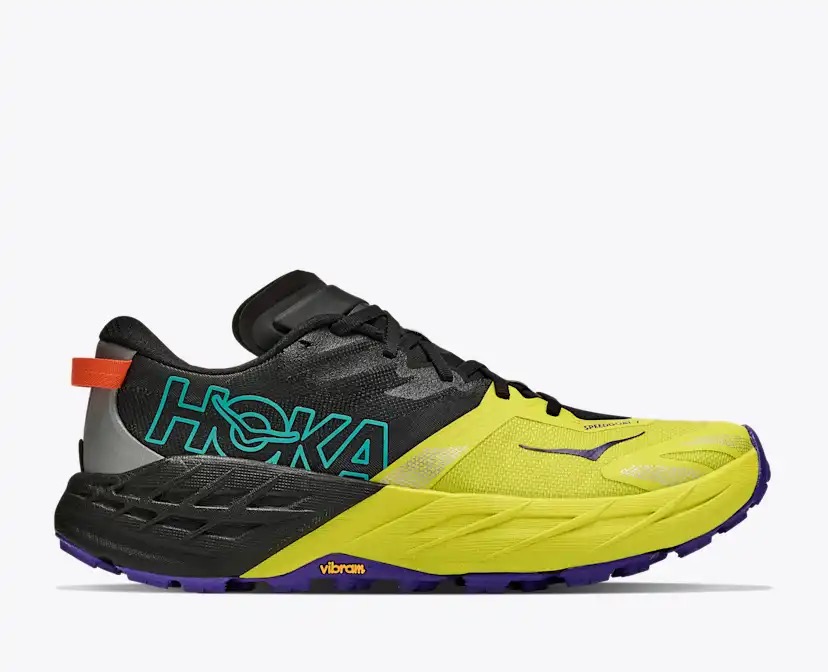
HOKA built its reputation on maximalist cushioning, and the Speedgoat 7 delivers it where disc golfers feel it most - underfoot, after 18 holes of walking uneven terrain. A new super-critical foam midsole makes this generation noticeably more responsive than the Speedgoat 6 without giving up any of the fatigue-fighting stack height, and the full-length Vibram Megagrip outsole with 5mm lugs handles wet grass, roots, and loose dirt as well as any dedicated trail shoe at this price point.
Pros
- Maximalist cushioning reduces foot fatigue on 18+ hole days
- New SCF midsole feels more responsive than the outgoing Speedgoat 6
- Full-length Vibram Megagrip outsole grips wet grass and roots
- Gaiter integration and updated lug pattern shed trail debris better
Cons
- Premium price at ~$160
- Fit runs slightly tighter through the upper than the Speedgoat 5/6

Every other shoe on this list is a low-top, which is great for mobility but offers zero protection on the roots, rocks, and side-hill lies that show up on wooded courses. The Moab 3 Mid Waterproof is the pick for players who've rolled an ankle before or just want more support underfoot - a padded mid-cut collar locks the foot in place, a Vibram TC5+ outsole handles wet grass and loose dirt, and a waterproof membrane keeps feet dry through dewy morning rounds.
Pros
- Mid-cut collar adds real ankle stability on roots and side-hill lies
- Waterproof membrane keeps feet dry through dew and light rain
- Vibram TC5+ outsole grips wet grass and loose dirt reliably
- Comfortable out of the box with almost no break-in period
Cons
- Heavier and stiffer than the trail runners on this list
- Warmer than low-top options on hot summer rounds
- Some buyers report leaking in deep puddles or creek crossings

The Lone Peak 8 is built around Altra's signature wide FootShape toe box and zero-drop platform, letting your toes spread out and grip the ground naturally through your plant-and-pivot release instead of getting squeezed into a narrow toe cap. It's become a favorite with players who care more about stability and natural foot movement than aggressive tread, and the MaxTrac outsole still handles dirt and loose terrain confidently.
Pros
- Wide FootShape toe box lets toes splay naturally on drives
- Zero-drop platform promotes a balanced, natural stance
- MaxTrac outsole with TrailClaw lugs grips dirt and loose terrain
- Lightweight EGO midsole cushions long rounds without feeling bulky
Cons
- Zero-drop feel takes an adjustment period if you're used to a raised heel
- Mesh upper isn't water resistant, so wet grass soaks through
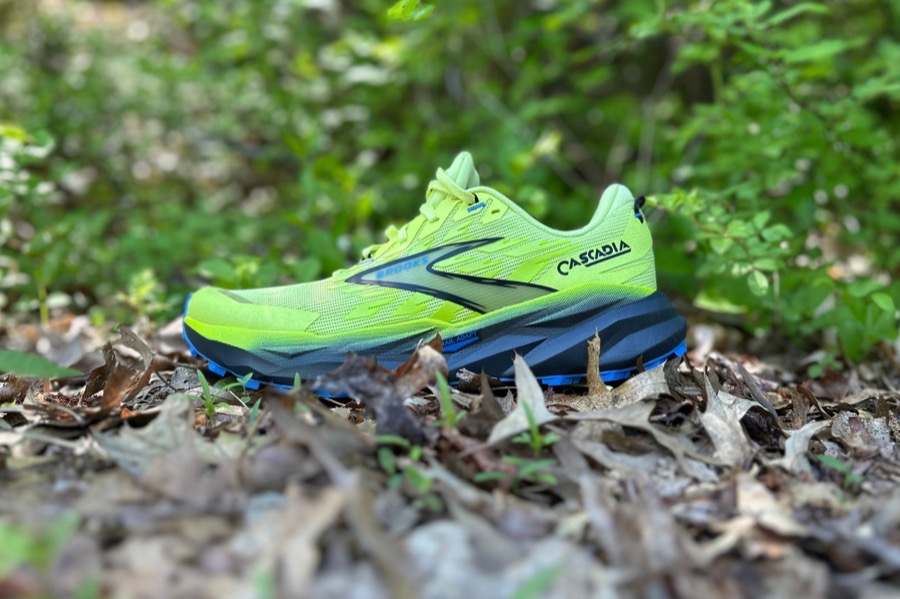
Every other shoe on this list leans hiking-boot in its DNA. The Cascadia 19 is a true trail running shoe, so it's noticeably lighter on your feet through 18 holes while still bringing a Vibram Megagrip outsole and a rock plate underfoot for wooded, root-covered courses. It's the pick for players who want their footwear to disappear during the throwing motion instead of feeling like a boot.
Pros
- Lighter and more flexible than the hiking shoes on this list
- Vibram Megagrip outsole grips wet and dry terrain confidently
- Rock plate protects against roots and sharp terrain underfoot
- Wide range of sizes, including wide widths
Cons
- Not waterproof in the standard version
- Heavier than a road running shoe, since it's built for rougher terrain
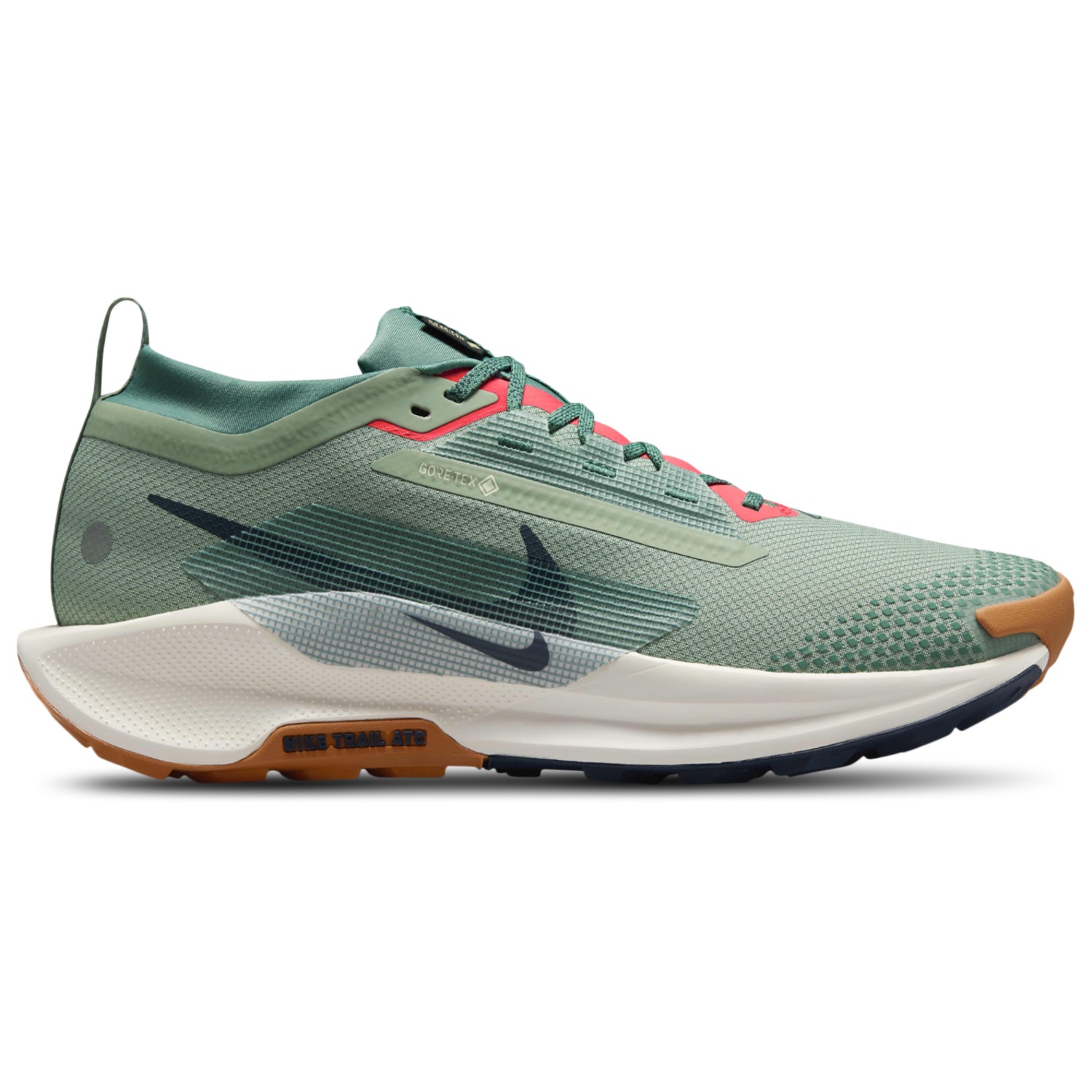
The Pegasus Trail 5 GORE-TEX is the shoe FPO World Champion Kristin Tattar has worn through back-to-back Disc Golf World Championship wins, and it earns that spot on merit, not just endorsement. A springy ReactX foam midsole keeps legs fresher over 18+ holes than a stiffer hiking shoe, while the full GORE-TEX upper shrugs off dew and standing water without the bulk of a boot. It splits the difference between the lightweight trail runners and the hiking shoes on this list, favoring speed and agility over maximal cushioning.
Pros
- Worn by FPO World Champion Kristin Tattar through two title runs
- Full GORE-TEX upper keeps feet dry without feeling like a boot
- Lightweight ReactX foam midsole reduces fatigue on long rounds
- Nike Trail ATC outsole grips wet grass and technical terrain confidently
Cons
- Sizing runs inconsistent; some players size up half a size
- Premium price close to $150 at full retail
- A few wearers report the tongue seam rubs before breaking in
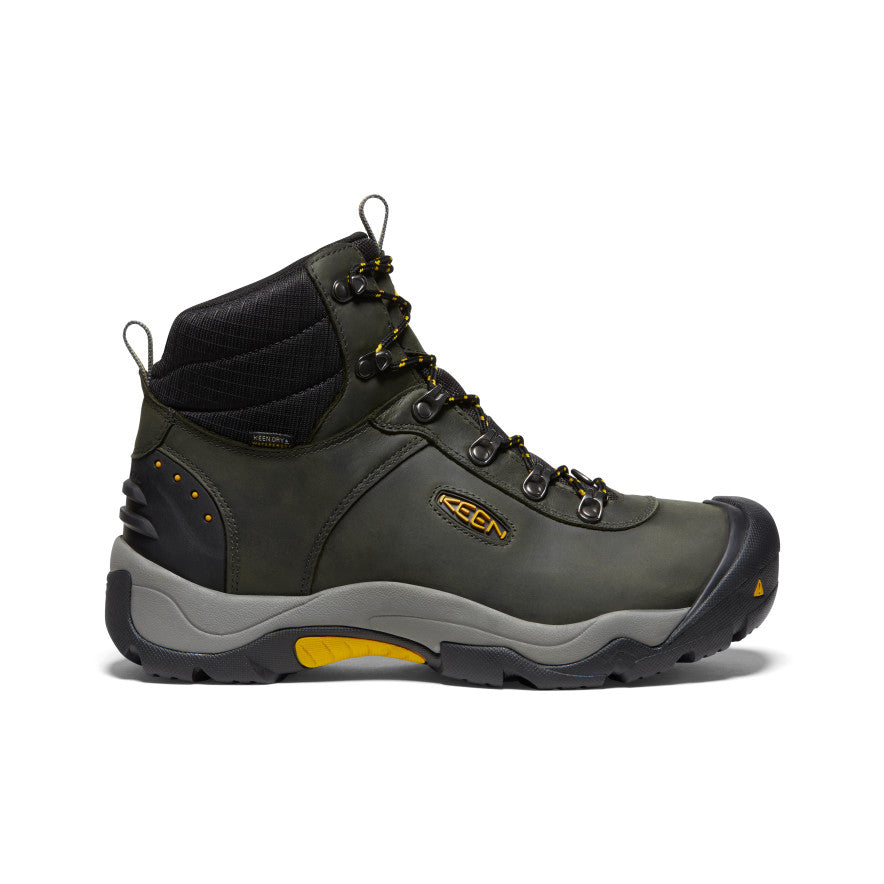
Every other shoe on this list is built for spring-through-fall conditions. The Revel III is the pick for late-season leagues and early-morning frost, with KEEN.WARM insulation rated to -25°F and a KEEN.DRY waterproof membrane that shrugs off slush and standing snowmelt. It trades the low-profile feel of a trail runner for real cold-weather protection, so bring it out once the forecast drops below what a mesh trail shoe can handle.
Pros
- KEEN.WARM insulation rated to -25°F/-32°C
- KEEN.DRY waterproof, breathable membrane
- KEEN.ALL-TERRAIN outsole grips mud, snow, and rocky ground
- Roomy Original Fit toe box, KEEN's signature wider last
Cons
- Heavier and stiffer than the trail runners on this list
- Overkill for warm-weather rounds
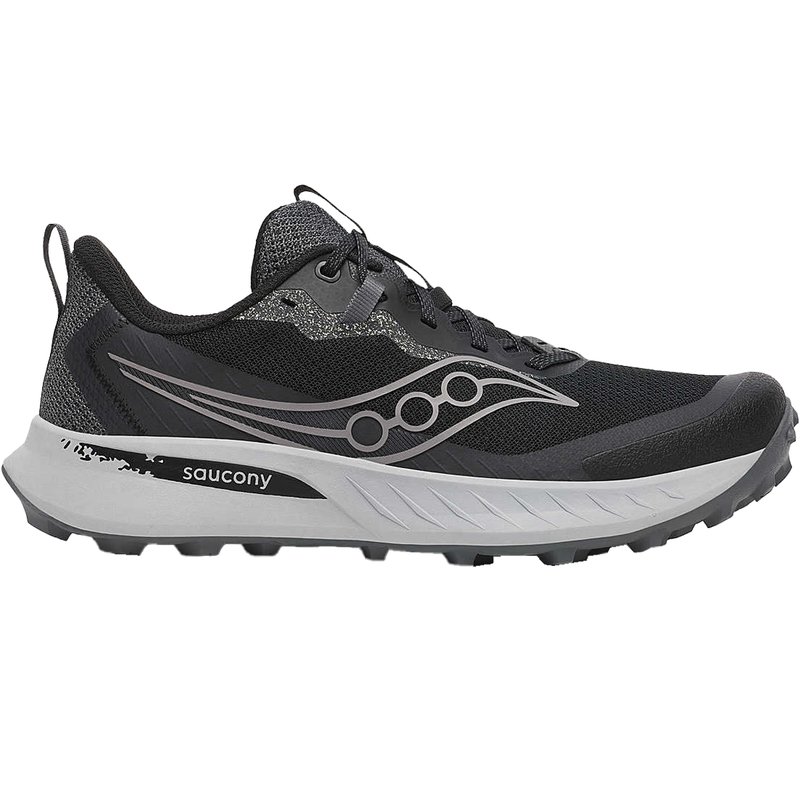
Most of the shoes on this list stack a lot of foam or a waterproof membrane between you and the ground. The Peregrine 15 goes the other way: a low-profile, 4mm-drop trail runner that keeps your plant foot close to the turf, which helps you feel the ground on a hard x-step and brace on sidehill tee pads. Aggressive 5mm PWRTRAC lugs bite into loose dirt, pine needles, and damp grass, and a forefoot rock guard takes the sting out of roots. It is the pick for players on hilly, technical courses who want something nimble rather than plush.
Pros
- Low-to-the-ground, 4mm-drop platform gives a stable, connected plant foot
- Full-coverage PWRTRAC outsole with 5mm lugs grips loose dirt and slopes
- Forefoot rock guard protects against roots and rocky fairways
- Light, flexible feel that works for walking 18 holes or a quick trail run
Cons
- Runs narrow in the toe box; wide-footed players should look at the Altra Lone Peak 8
- Mesh upper is not waterproof, so feet get wet on dewy morning rounds
- Less cushioning than the HOKA Speedgoat 7 for very long days on your feet
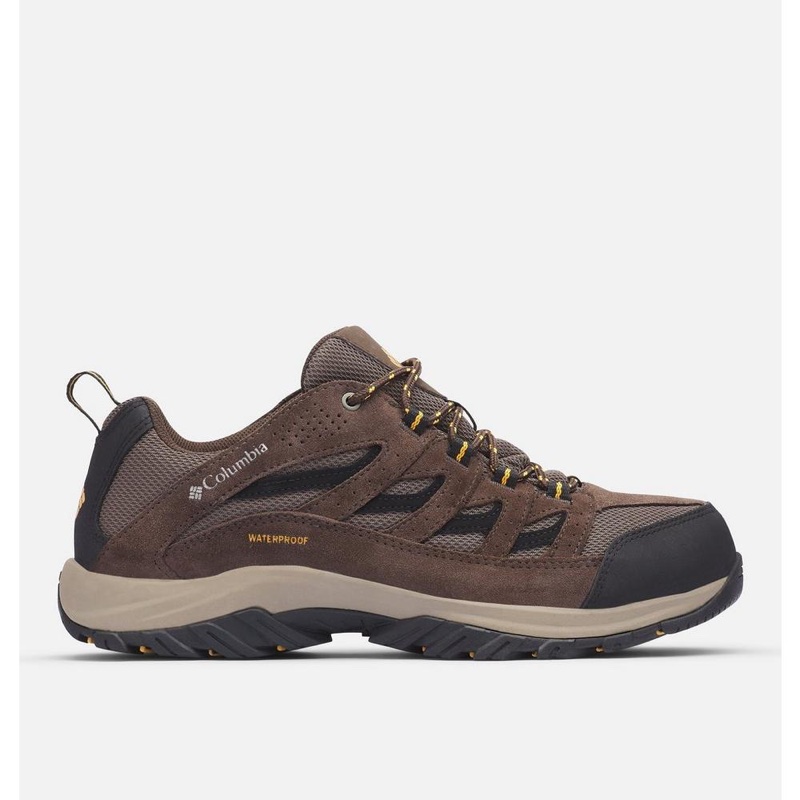
Every other waterproof shoe on this list costs well over $100. The Crestwood Waterproof gets you a seam-sealed Omni-Tech membrane for around $80, which is enough to keep your socks dry through dewy morning fairways and the occasional puddle on the walk to the next tee. Columbia's Omni-Grip outsole uses mixed lug patterns that hold on wet grass, dirt, and gravel, and the Techlite midsole is comfortable straight out of the box with no break-in. It is the pick for players who want dry feet on wet courses without paying GORE-TEX prices.
Pros
- Seam-sealed Omni-Tech waterproofing at roughly half the price of GORE-TEX options
- Omni-Grip outsole holds well on wet grass, dirt, and gravel
- Comfortable from the first round, no break-in needed
- Leather and mesh upper holds up for multiple seasons; wide sizes available
Cons
- Waterproofing is less consistent than GORE-TEX; some owners report leaks after heavy use
- Heavier and warmer than a mesh trail runner like the Merrell Moab on hot summer rounds
- Shallower lugs than the Salomon Speedcross in deep mud
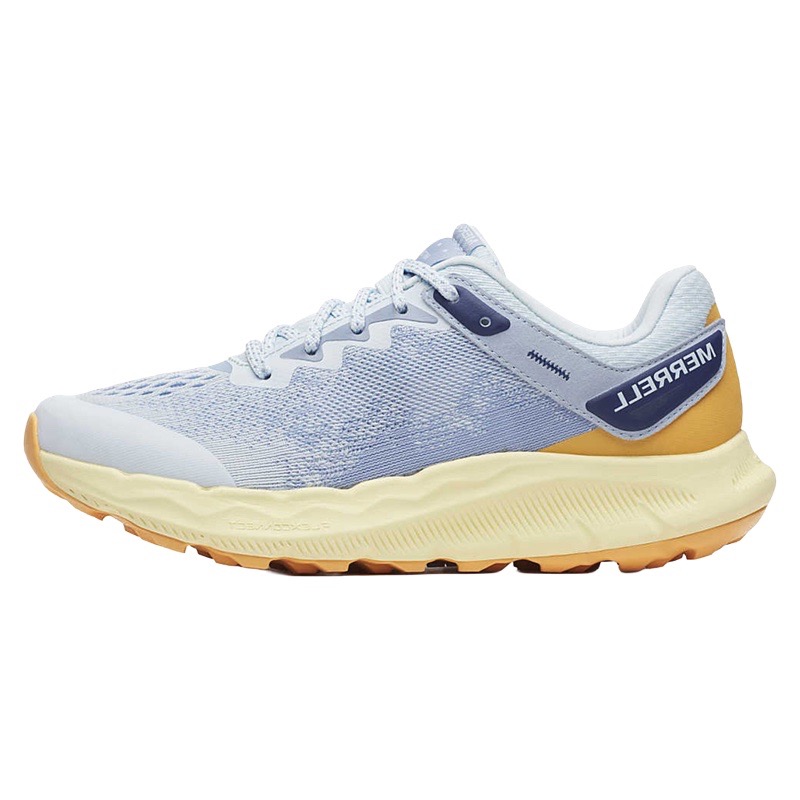
Most trail shoes come in a women's size run of a men's design. The Antora line is built only for women, on a women-specific fit, so it locks in on a hard plant instead of sliding around inside a shoe sized down from a men's pattern. The Antora 4 pairs a plush FloatPro foam midsole with FLEXconnect flex grooves that let your plant foot feel the tee pad, and Merrell's Quantum Grip outsole holds on damp grass, dirt, and gravel. At around $90 it is the pick for women who have never found a unisex trail shoe that fits right through 18 holes.
Pros
- Women-specific fit that stays put during an x-step and plant
- FloatPro foam midsole is comfortable straight out of the box for full rounds
- Quantum Grip outsole grips wet grass, dirt, and gravel tee pads
- Available in wide sizes across the full 5-11 range
Cons
- Runs snug for some feet; consider the wide or a half size up, or the Altra Lone Peak 8 for a roomy toe box
- Breathable mesh upper is not waterproof, so dewy morning rounds mean wet socks
- Moderate lugs are not built for deep mud like the Salomon Speedcross
How to Choose Disc Golf Shoes
The right shoe depends mostly on your course conditions and how long your typical round (or session) lasts. A shoe that's perfect for a dry summer evening league might be miserable on a muddy spring morning.
Grip Comes First
Disc golf involves a lot of plant-and-pivot motion on your drives. Shoes with deeper, more aggressive lugs grip wet grass, mud, and slopes far better than flat-soled sneakers or running shoes - and better footing translates directly to a more stable, repeatable throwing motion.
Trail Runners vs. Hiking Shoes
Trail runners are lighter and more flexible, which many players prefer for the throwing motion. Hiking shoes are stiffer and offer more support, which can help on long days or uneven terrain. Neither is "better" - it comes down to comfort preference and how much walking you do.
Frequently Asked Questions
Can I just wear regular running shoes?
You can, but road running shoes have flatter, less aggressive tread that slips on wet grass and mud. If you play occasionally on dry, well-maintained courses it's not a big deal - but trail-specific shoes are a noticeable upgrade for most courses.
Do I need waterproof shoes?
Fully waterproof shoes help in light rain and dewy mornings, but in heavy rain water typically comes in over the top regardless. Many players prefer non-waterproof shoes that drain and dry quickly instead.
How often should I replace disc golf shoes?
It depends on how often you play, but most trail shoes lose meaningful grip and cushioning after 300–500 miles of use. If you're playing multiple times a week, that can mean replacing them every season.