Best Disc Golf Discs of 2026: Drivers, Mids & Putters
Discs are where disc golf gets overwhelming fast - hundreds of molds, a dozen plastic types, and stability ratings that don't mean much until you've thrown a few hundred rounds. The good news: a handful of proven discs cover almost every situation you'll face, from your very first throw to dialing in your bag for tournament play.
Below I cover the best starter set, the most dependable driver, midrange, and putter, plus a beginner-friendly fairway driver, a premium plastic set for players ready to upgrade, and a budget-friendly distance driver for maxing out your arm speed.
Top Picks at a Glance
- Best Starter Set Innova Disc Golf Starter Set ~$43 Check Price →
- Best Driver Innova Teebird ~$24 Check Price →
- Best Midrange Discraft Buzzz ~$20 Check Price →
- Best Putter Dynamic Discs Judge ~$13 Check Price →
- Best Beginner Driver Innova Leopard3 ~$20 Check Price →
- Best Premium Plastic SetMVP Premium Plastic Set ~$37 Check Price →
- Best Distance Driver Discraft ESP Force ~$20 Check Price →
- Best Approach Disc Discmania Active Premium Sensei ~$10 Check Price →
- Best Budget Distance Driver Westside Discs Origio Burst King ~$11 Check Price →
- Best Overstable Midrange Discraft Wasp ~$18 Check Price →
- Best Overstable Putter Innova Rhyno ~$16 Check Price →
Side-by-Side Comparison
| Disc | Price | Type | Turn | Skill Level | Rating |
|---|---|---|---|---|---|
| Dynamic Discs Judge | ~$13 | Putter | 0 | All Levels | 4.8 / 5 |
| Discmania Active Premium Sensei | ~$10 | Putter | 0 | All Levels | 4.6 / 5 |
| Innova Rhyno | ~$16 | Putter | 0 | Intermediate | 4.6 / 5 |
| Discraft Buzzz | ~$20 | Midrange | -1 | All Levels | 4.9 / 5 |
| Discraft Wasp | ~$18 | Midrange | 0 | Intermediate | 4.6 / 5 |
| Innova Leopard3 | ~$20 | Fairway Driver | -2 | Beginner | 4.8 / 5 |
| Innova Teebird | ~$24 | Fairway Driver | 0 | Intermediate | 4.8 / 5 |
| Discraft ESP Force | ~$20 | Distance Driver | 0 | Advanced | 4.7 / 5 |
| Westside Discs Origio Burst King | ~$11 | Distance Driver | -1 | Advanced | 4.6 / 5 |
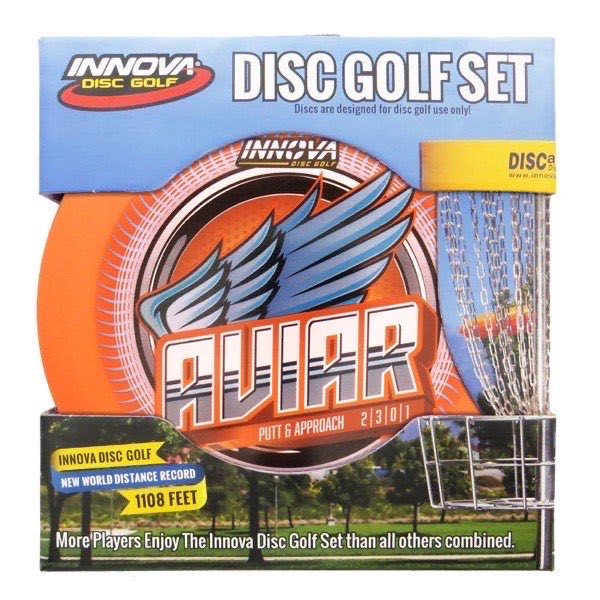
If you're buying your first discs, skip the temptation to grab a flashy high-speed driver and start here instead. This set bundles a fairway driver, a midrange, and a putter - the three discs that cover the vast majority of shots a new player needs. Each disc is from Innova's reliable base plastic lines, so they're forgiving and easy to control while you build your throwing form.
Pros
- Covers driver, midrange, and putter in one set
- Forgiving plastic for beginners
- Great value vs. buying separately
- Trusted Innova quality
Cons
- Colors/molds vary by listing
- Will outgrow some discs as your arm speed increases
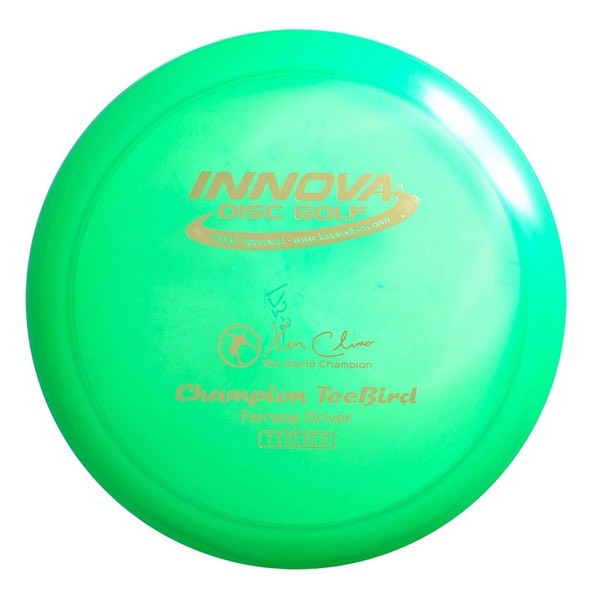
The Teebird has been a staple in bags for decades because it just flies straight. It's a fairway driver with predictable, gentle fade - exactly what you want while you're learning to read flight paths instead of fighting overstable discs that dive hard left (for righty backhand throws) before you're ready for them.
Pros
- Straight, predictable flight
- Works for a wide range of arm speeds
- Reliable in wind once understood
- Decades-proven mold
Cons
- Less exciting than newer "hype" molds
- Needs moderate speed to reach full potential
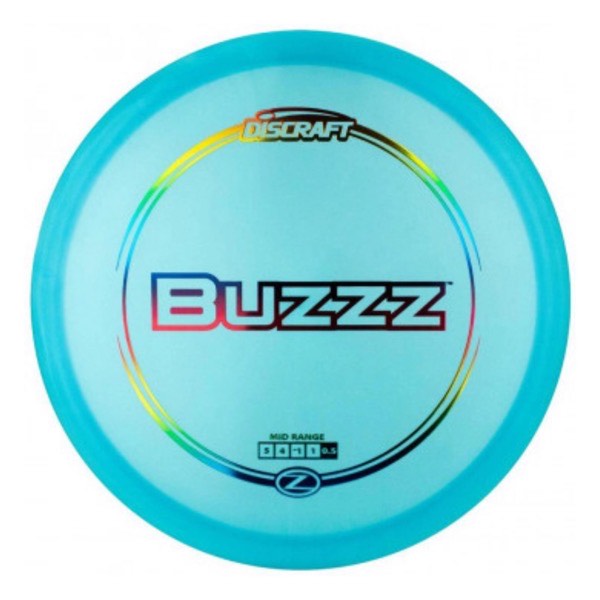
Ask ten disc golfers what's in their bag and most will say a Buzzz. It's flat, stable, and holds whatever line you throw it on - straight, slight turn, or gentle fade - making it one of the most versatile midranges ever made. If you only own one midrange, this is the one to own.
Pros
- Extremely versatile flight
- Holds lines reliably at any speed
- Available in dozens of plastic blends
- One of the best-selling discs ever
Cons
- So common it can feel "boring"
- Premium plastics cost more
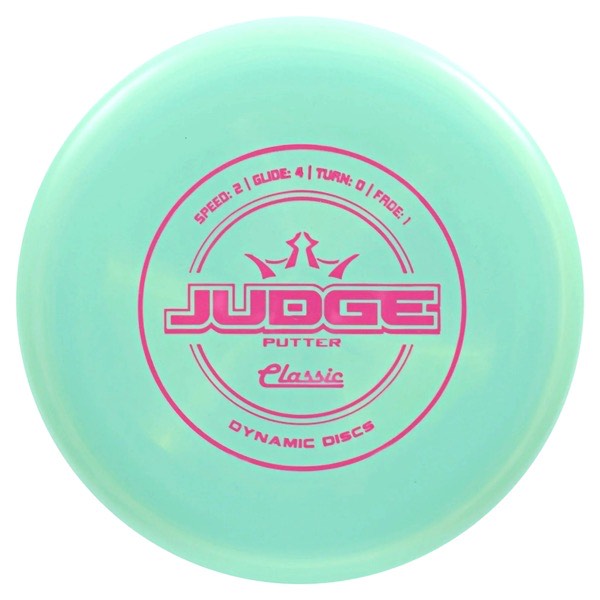
The Judge is one of the most popular putters in the sport for a reason: it's comfortable in hand, flies dead straight with a soft fade at the end, and works equally well for putting and short-to-mid range approach shots. Grab two or three - most players end up throwing the Judge for both putts and upshots.
Pros
- Comfortable, beadless grip
- Straight flight with reliable fade
- Doubles as an approach disc
- Available in soft and stiff plastics
Cons
- Soft plastics wear down faster
- Less glide for longer upshots
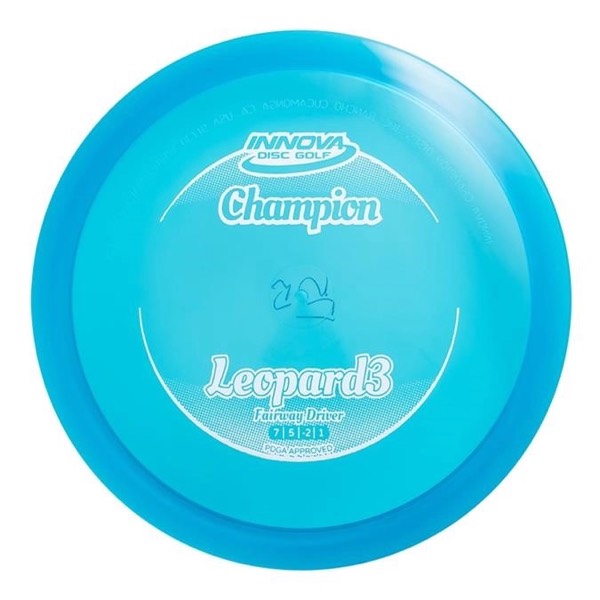
Most beginners reach for a driver before their arm speed can actually make it fly correctly, resulting in discs that dive left and never finish their flight. The Leopard3 solves this - it's an understable fairway driver designed to turn and glide even at slower speeds, making long, controlled shots accessible from day one.
Pros
- Easy to throw at beginner arm speeds
- Long glide helps maximize distance
- Great for rollers and turnover shots
- Affordable
Cons
- Becomes too understable as power increases
- Not ideal in strong headwinds
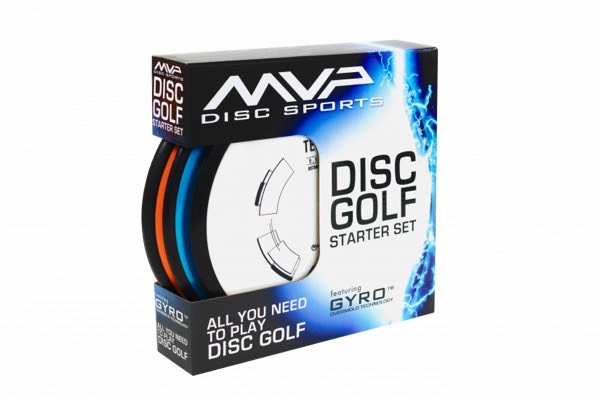
Once you know your bag, upgrading to premium plastic is worth it - better grip in wet conditions, more consistent flight retention, and discs that hold their stability far longer than base plastics. This set bundles a driver, midrange, and putter in MVP's premium blends, giving you a tournament-ready upgrade across the bag in one purchase.
Pros
- Premium grip in wet/cold conditions
- Holds stability longer than base plastic
- Covers driver, mid, and putter
- Tournament-ready feel
Cons
- Pricier than base plastic discs
- Better suited to intermediate+ players
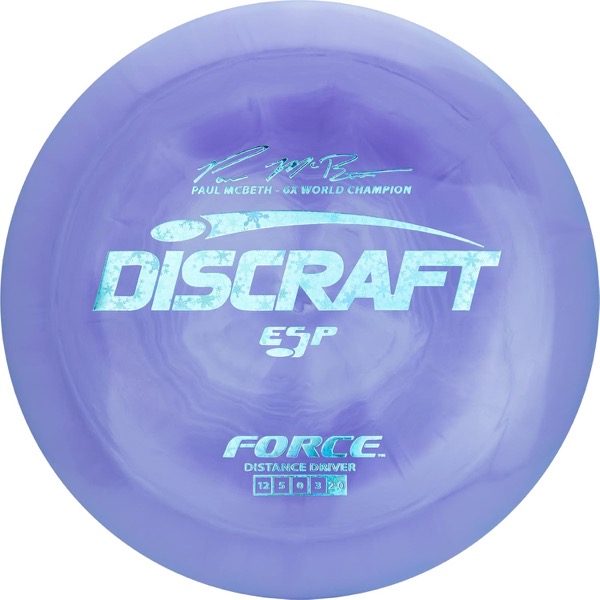
The Force is the overstable workhorse in Paul McBeth's signature lineup and the disc he reaches for when the flight has to be predictable: hard drives into headwinds, forehand bombs, and any tee shot where a late turnover would be a disaster. It holds the line you put it on and finishes with a dependable left fade every single time. If you want a distance driver you can trust in wind, this is the one.
Pros
- Speed 12 with a rock-solid overstable finish
- Excellent for forehand and headwind drives
- Flight stays predictable even as the plastic wears in
- ESP plastic offers great grip and durability
Cons
- Requires strong arm speed to reach full distance
- Too overstable for beginners; it will fade out early on slower throws
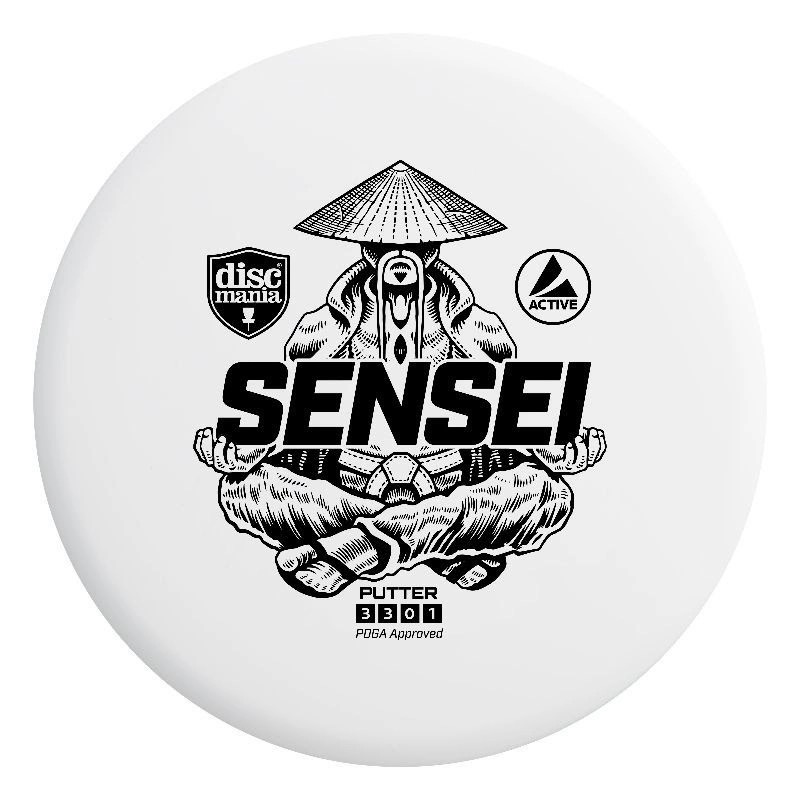
The Sensei is Discmania's answer to a second putter that feels different from your main one - a shallow, comfortable rim with a dead-straight flight and just enough fade to hold a line on longer approach shots. It's equally at home tapping in short putts or firing upshots from 30-40 feet, which is why so many players keep one in the bag specifically for approaches.
Pros
- Straight, predictable flight with minimal turn or fade
- Shallow, comfortable grip that suits most hand sizes
- Doubles as a reliable approach disc inside 200 feet
- Budget-friendly price for a putter this consistent
Cons
- Can float past the target if overpowered
- New rims sometimes have rough mold edges that wear in over time
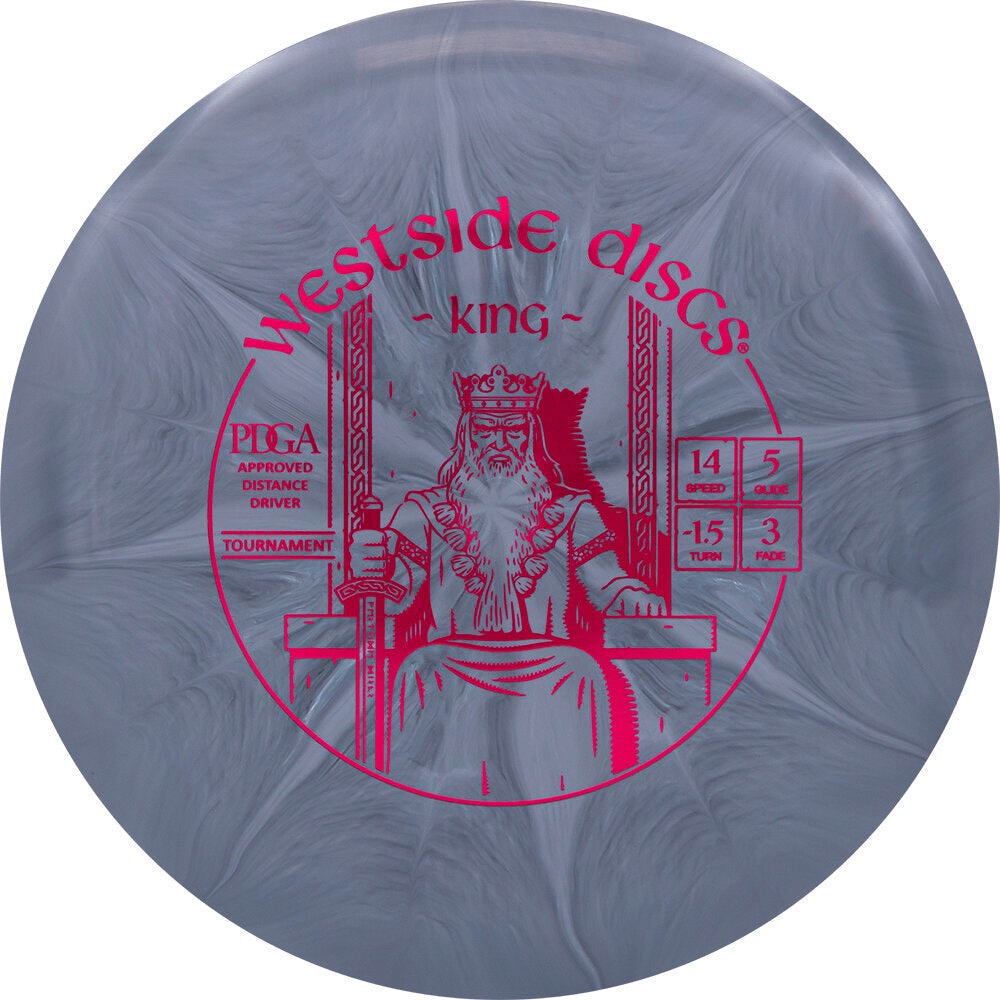
The King is Westside's answer to a max-distance driver that doesn't demand a premium price tag. At speed 14 it's one of the fastest molds you can throw, built to reward players with the arm speed to unlock its full flight, and the Origio Burst base plastic keeps the cost well under most premium distance drivers. If you want serious distance without risking a $20 disc in the woods, this is the one to grab.
Pros
- Speed 14 mold built for maximum distance
- Reliable overstable fade holds up in wind
- Budget-friendly price under $15 without sacrificing flight quality
- Works well on both backhand and forehand power throws
Cons
- Requires strong arm speed - beginners will struggle to turn it over
- Base plastic wears in and scuffs faster than premium blends
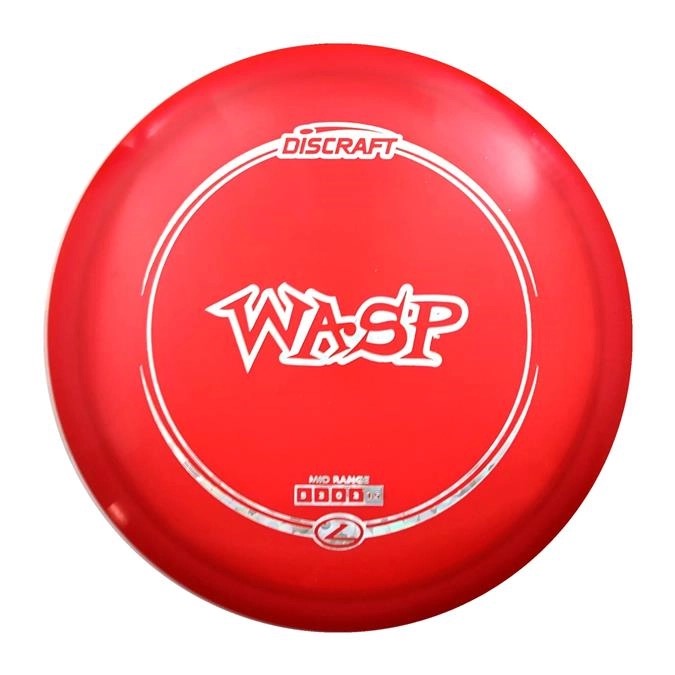
The Wasp is Discraft's go-to overstable midrange, the disc most players reach for when the wind picks up or a hole demands a hard, predictable fade. Its beaded rim adds grip over a Buzzz, and the extra stability means it holds a line into headwinds instead of drifting off course. If your bag is full of neutral and understable mids, the Wasp is the piece that rounds it out.
Pros
- Reliable overstable fade, even thrown with less power
- Beaded rim adds grip and control
- Handles headwinds and forehand shots well
- Available in durable Elite Z and premium Titanium plastics
Cons
- Too overstable for most beginners to fly flat
- Less glide than the Buzzz on flex shots
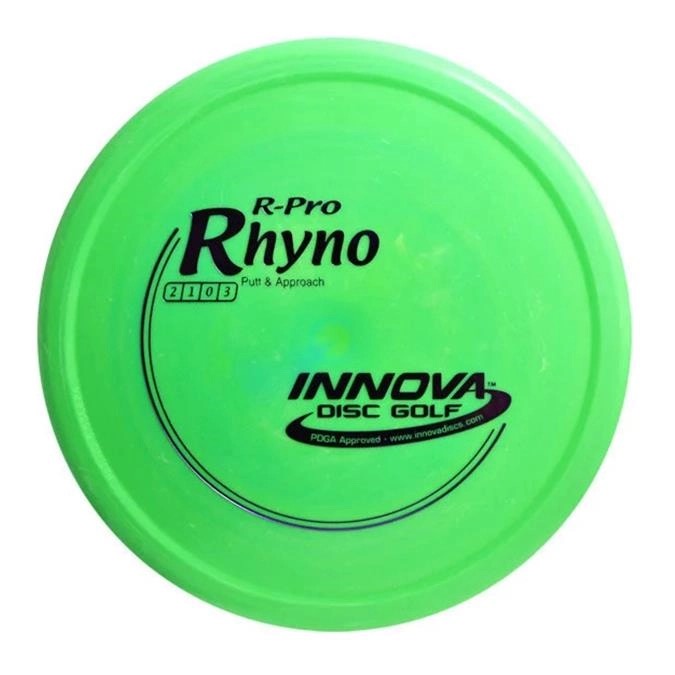
The Rhyno is the disc most players reach for when the wind kicks up or a putt just has to stay down. It has almost no glide by design, so it stops fast instead of skating past the basket, and its Thumbtrac grip channel keeps it locked in your hand on cold or wet days. If the rest of your putters float and turn in the wind, the Rhyno is the one that will not.
Pros
- Very overstable, holds up in headwinds
- Minimal glide means it stops close instead of rolling away
- Thumbtrac groove adds reliable grip
- Available in DX, R-Pro, and Champion plastics
Cons
- Too overstable for most beginners to putt flat
- Short glide limits it on longer approach shots
How to Choose Your First Discs
The biggest mistake new players make is buying discs based on what pros throw rather than what their current arm speed can actually fly correctly. A disc rated for high speed will feel "broken" - diving hard left - in the hands of a beginner.
Start Slow, Add Speed Later
Understable and stable discs in the fairway driver and midrange categories will fly further and straighter for new players than fast distance drivers. As your form and power develop over your first season, you can gradually add faster, more stable discs to handle wind and longer holes.
Plastic Type Affects Grip and Durability
Base plastics (DX, Pro, Champion-equivalents) are cheaper and grippier when new but wear down faster and become more understable with use. Premium plastics cost more but hold their flight characteristics - and their grip in wet weather - for much longer.
Frequently Asked Questions
How many discs do I actually need to start?
Three: one driver, one midrange, and one putter. A starter set covers this perfectly. You can add specialty discs (rollers, overstable drivers, different putters) as you discover what your game needs.
What does "stability" mean on a disc?
Stability describes how a disc curves during flight. Overstable discs fade left (for a righty backhand) at the end of flight, understable discs turn right before fading, and stable discs fly mostly straight. Beginners generally do best with understable to stable discs.
Do I need different discs for forehand vs. backhand throws?
Not at first. The same disc behaves differently depending on throwing style, but as a beginner, focus on learning one throwing motion well before worrying about building separate forehand and backhand lineups.