Prodigy D4 Review: An Understable Distance Driver for Turnover Shots
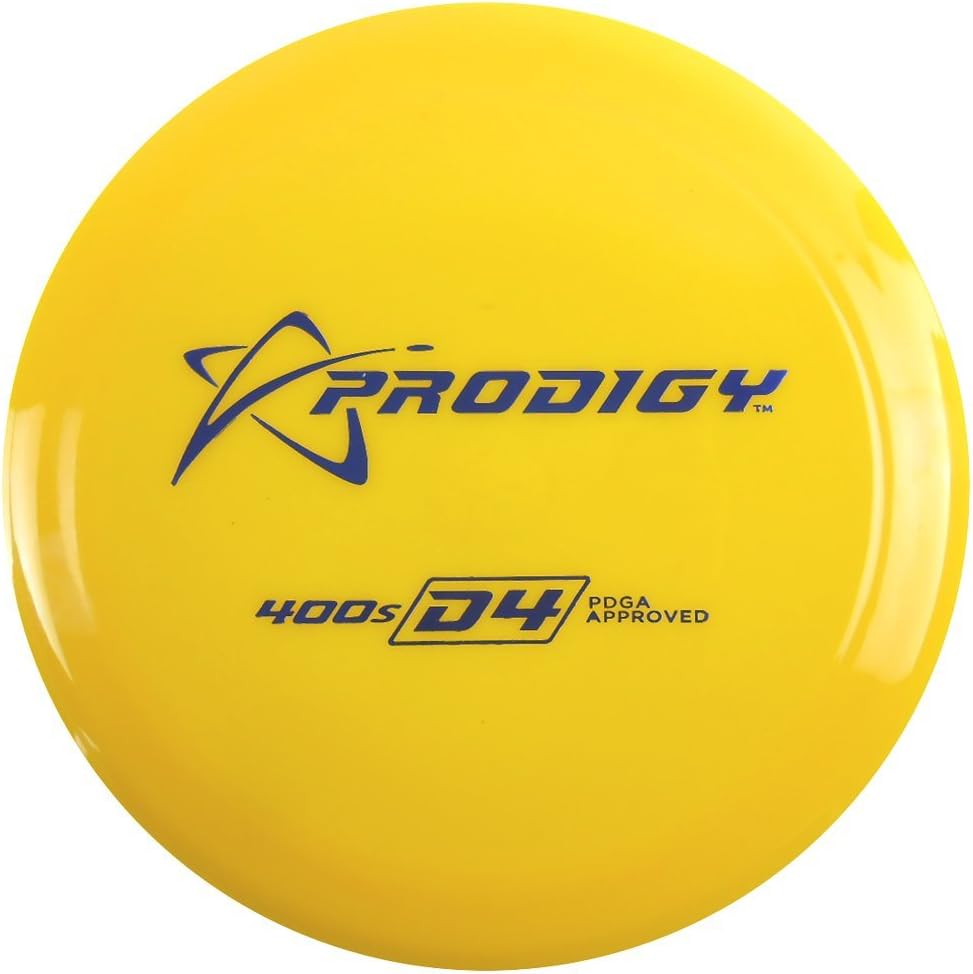
The Prodigy D4 is the most understable driver in Prodigy's D-series, built for players who want easy, shapeable distance rather than a disc that punishes an imperfect release. With flight numbers of 12/6/-3/2, it hyzer-flips to flat, rides a long high-speed turn, and finishes with only a gentle fade - making it one of the more forgiving Speed 12 drivers on the market for a turnover or anhyzer distance line.
This review covers who actually gets the most out of the D4, how it behaves in the air, which plastic to start with, and how it compares to other understable options already covered on this site.
Prodigy D4 - Quick Specs
- Flight Numbers 12 / 6 / -3 / 2 (Speed / Glide / Turn / Fade)
- Disc Type Distance Driver
- Stability Understable (most understable in the D-series)
- Weight Range 140g-175g (most players throw 165-174g)
- Plastics 300, 400, 400G, 750G, AIR, AIR Spectrum
- Approx. Price $13-20 depending on plastic
- Best For Intermediate to advanced players working on turnover and anhyzer distance shots
Who Should Throw the Prodigy D4?
Because it's a Speed 12 disc, the D4 needs real arm speed to fly correctly - the same rule that applies to every distance driver. "Understable" here means understable for a distance driver, not understable in the way a beginner fairway driver like the Innova Leopard3 is. A player who hasn't built up power yet will find the D4 turns over almost immediately and never comes back, which just looks like a disc flying flat and right the whole way, well short of its distance potential.
- Beginners (under 250 feet of arm speed): Not the right first driver. Stick to Speed 7-and-under fairway drivers until your form and power are consistent - see the flight numbers guide for why.
- Intermediate players: This is the D4's sweet spot. Enough arm speed to get the disc up to Speed 12, but not so much that the strong turn (-3) becomes uncontrollable. Great for turnover shots around obstacles and tailwind distance.
- Advanced players: Used less as a max-distance bomber and more as a utility disc for anhyzer flex shots, rollers, and tailwind bombs where a controlled turnover line is the goal.
How the Prodigy D4 Flies
The 12/6/-3/2 rating describes a disc that's fast, floats well, and wants to turn right hard before settling into a soft finish. Thrown flat at full power, the D4 launches, then the -3 turn takes over almost immediately - the disc banks to the right and holds that turn through most of its flight, gliding the whole way thanks to the high Glide (6) rating. Only in the final stretch does the low Fade (2) bring it back to a gentle, forward finish.
Thrown on a hyzer angle, the D4 does what the whole D-series is known for: it "hyzer flips" - starting left, fighting the angle with its understability, and leveling out flat before gliding out straight or with a slight turn. This is the easiest way to get consistent distance out of the disc without needing a perfectly flat release.
In headwinds, expect the D4 to turn over more than it would in calm air - understable discs are generally poor headwind choices. In a tailwind, it's the opposite: the wind pushes against the natural turn and can straighten the flight out into a long, gliding bomb. For more on how turn and fade interact with wind and stability generally, see the overstable vs understable guide.
Prodigy D4 Plastic Types Compared
- 300 Plastic: Prodigy's base blend. Affordable, grippy, wears in and becomes even more understable over time. A reasonable first D4 if you don't mind the disc changing character as it beats in.
- 400 Plastic: The most popular Prodigy plastic across their lineup. Durable, great grip even when wet, holds its flight numbers longer than 300. The standard recommendation for most players.
- 400G Plastic: 400 plastic with a firmer, stiffer feel. More durable and slower to break in - a good choice if you want the D4 to stay understable-but-controllable for a long time.
- 750G Plastic: Premium, high-tech blend with excellent durability and a stiffer flight plate. Priced higher, best for players who already know they like the mold.
- AIR / AIR Spectrum: Lightweight plastic designed for easier distance at lower weights, with slightly more glide. Good option for players who want extra hang time without changing arm speed.
Recommendation: start with standard 400 plastic. It's the most balanced choice for grip, durability, and predictable flight while you figure out whether the D4's turnover profile fits your bag.
Pros
- One of the more forgiving Speed 12 drivers for turnover and anhyzer lines
- High glide adds real distance once you have the arm speed to use it
- Reliable hyzer-flip makes it easier to get consistent distance
- Wide range of plastics and weights to fine-tune feel
Cons
- Requires real arm speed - not a good first distance driver
- Turns over hard in headwinds
- Base plastic (300) beats in quickly and becomes very understable
Similar Discs to Consider
- Innova Leopard3 - A much friendlier starting point if you don't yet have the arm speed for a Speed 12 driver. Same understable philosophy, far more forgiving.
- Innova Firebird - The opposite end of the stability spectrum. If the D4 turns over too much for your arm speed, an overstable driver like the Firebird holds a straighter, more predictable line.
- Prodigy F2 - If you want a controllable, overstable fairway driver instead of a max-distance turnover driver, see our Prodigy F2 review.
Frequently Asked Questions
Is the Prodigy D4 good for beginners?
Not as a first disc. Despite marketing that describes it as suitable for "all players," its Speed 12 rating means it needs real arm speed to fly as intended. Beginners are almost always better served by a Speed 7-and-under fairway driver like the Innova Leopard3 first, then working up to distance drivers like the D4 once their form and power develop.
What is the D4 best used for?
Turnover and anhyzer shots where you want the disc to curve right (for a right-hand backhand throw) and hold that line for distance, plus tailwind bombs where the wind straightens out its natural turn. It's a shot-shaping tool more than a straight-line max-distance disc.
How does the D4 compare to other understable distance drivers?
The D4's -3 turn and 6 glide put it among the more understable options at Speed 12, similar in role to discs like the Innova Wraith's understable cousins. It's a good choice specifically because the high glide keeps it flying even as the turn kicks in, rather than just diving into the ground once it goes flat.