Prodigy F2 Review: A Predictable, Overstable Fairway Driver
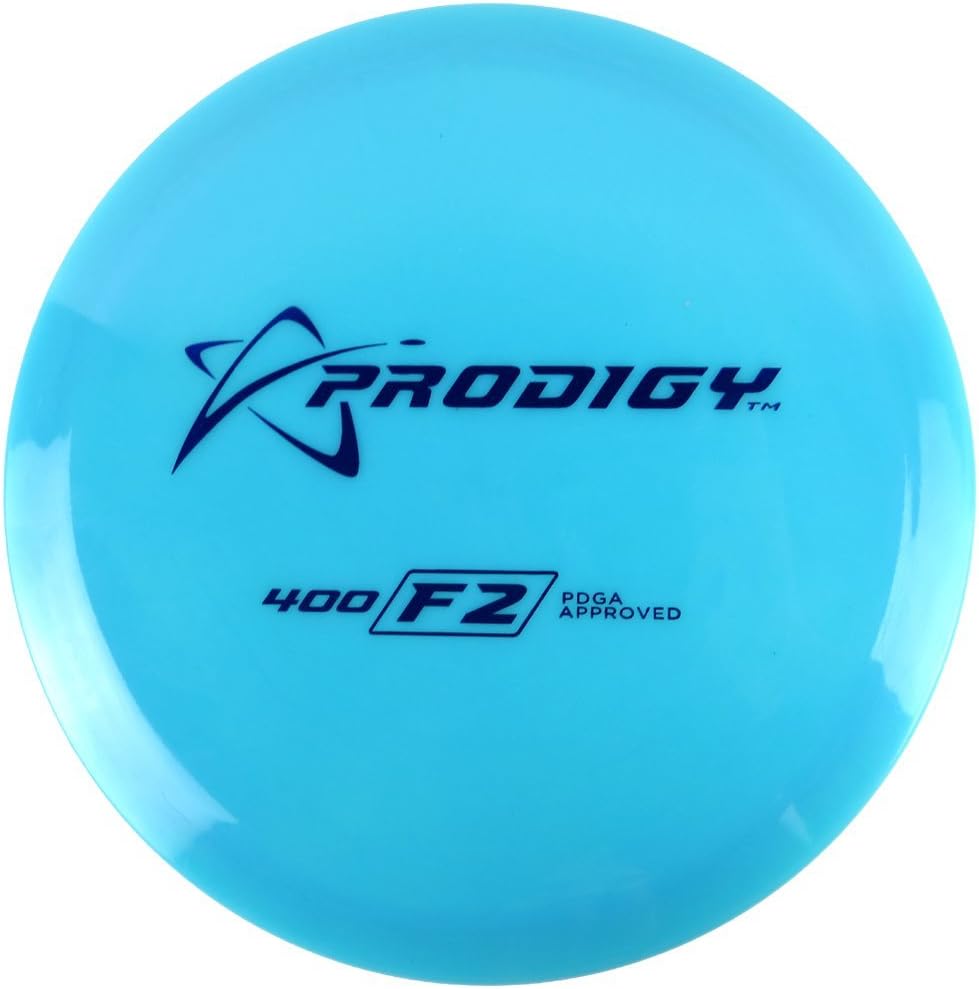
The Prodigy F2 is a medium-speed, overstable fairway driver built for players who want a controllable, repeatable flight rather than maximum distance. Its flight numbers - 7/5/-1/3 - describe a disc that holds a straight line with a reliable finishing fade, which is exactly what you want for demanding, precision shots into wind or around obstacles.
This review covers who gets the most out of the F2, how it behaves on the course, which plastic to pick first, and how it stacks up against the fairway driver most players already know: the Innova Teebird.
Prodigy F2 - Quick Specs
- Flight Numbers 7 / 5 / -1 / 3 (Speed / Glide / Turn / Fade)
- Disc Type Fairway Driver
- Stability Overstable
- Weight Range 150g-176g (most players throw 165-174g)
- Plastics 300, 400, 400G, 500, 750
- Approx. Price $14-20 depending on plastic
- Best For Intermediate to advanced players who want a predictable, wind-resistant fairway driver
Who Should Throw the Prodigy F2?
At Speed 7, the F2 is accessible to a wider range of arm speeds than a distance driver, but its overstable finish (Fade 3) means it rewards players who already have a clean, consistent release more than true beginners.
- Beginners: Workable, but the fade will show up early at lower arm speeds, meaning the disc fades left before covering much distance. A more understable fairway driver like the Innova Leopard3 is usually a better first buy.
- Intermediate players: This is the F2's target zone. Enough arm speed to get the disc gliding before the fade kicks in, with a dependable finish you can throw with confidence around trees or into the wind.
- Advanced players: Used as a control disc for tight fairways, headwind holes, and any shot where a reliable, repeatable finish matters more than squeezing out extra feet.
How the Prodigy F2 Flies
The 7/5/-1/3 rating means a moderate-speed disc with solid glide, a slight amount of high-speed turn, and a firm, predictable fade at the end. Thrown flat at a comfortable arm speed, the F2 holds a straight line through the middle of its flight before finishing with a controlled left hook (for a right-hand backhand throw) - a shot shape often described as a straighter, slightly more overstable cousin of the Innova Teebird.
The small amount of turn (-1) keeps the F2 from feeling boardy or overly stiff at release - it's enough to let the disc run flat for a beat before the fade takes over, rather than fading immediately the way a heavily overstable disc would. That combination is what makes the F2 popular for players who want predictability without total rigidity.
In headwinds, the F2's overstability is an asset - it resists turning over and holds its line reliably, making it a solid headwind choice compared to more understable fairway drivers. For the full breakdown of how turn and fade drive these differences, see the flight numbers guide.
Prodigy F2 Plastic Types Compared
- 300 Plastic: Prodigy's base blend. Good grip and feel, wears in faster and becomes more understable with heavy use - fine for a first F2 if you don't mind the flight changing over time.
- 400 Plastic: The most popular plastic in Prodigy's lineup. Durable, grips well even when wet, and holds its overstable flight numbers longer than 300. The standard recommendation for most players.
- 400G Plastic: A firmer version of 400 plastic. More durable and slower to break in - good if you want the F2's fade to stay reliable for a long time.
- 500 Plastic: A premium blend with a stiffer flight plate and confident grip, less gummy-feeling than 400.
- 750 Plastic: High-tech, extremely durable premium plastic with a firmer feel, similar in grip and texture to the 400 series.
Recommendation: start with standard 400 plastic. It balances grip, durability, and flight consistency, and it's the easiest to find in most weights.
Pros
- Reliable, predictable finish for demanding line shots
- Holds up well in headwinds compared to understable drivers
- Accessible Speed 7 rating works for a wide range of arm speeds
- Wide plastic selection at every price point
Cons
- Fade shows up early for players with lower arm speed, cutting into distance
- Less forgiving than understable beginner drivers
- Base plastic wears in and softens the overstable flight over time
Similar Discs to Consider
- Innova Teebird - The closest comparison. Speed 7 like the F2, slightly less fade (2 vs 3) and no turn, making it a touch more neutral where the F2 leans more overstable in its finish.
- Innova Leopard3 - A far more forgiving option if the F2's fade shows up too early for your arm speed right now.
- Prodigy D4 - If you want more raw distance and don't mind a stronger turnover shot shape, see our Prodigy D4 review.
Frequently Asked Questions
Is the Prodigy F2 good for beginners?
It's workable but not ideal as a first fairway driver. Its overstable fade tends to show up early at lower arm speeds, which cuts into distance before beginners have built enough power. An understable driver like the Innova Leopard3 is usually a better starting point.
How does the Prodigy F2 compare to the Innova Teebird?
They're close cousins - both Speed 7 fairway drivers. The Teebird (7/5/0/2) is slightly more neutral with less fade, while the F2 (7/5/-1/3) has a touch of high-speed turn but a stronger finishing fade, giving it a slightly more overstable overall feel. Either is a solid choice for a controllable fairway driver.
Is the F2 a good headwind disc?
Yes. Overstable discs like the F2 resist turning over in headwinds, which makes them more reliable than understable drivers when the wind is in your face. It's a good choice to keep in the bag specifically for windy rounds.