Discraft Avenger SS Review: The Beginner-Friendly Distance Driver
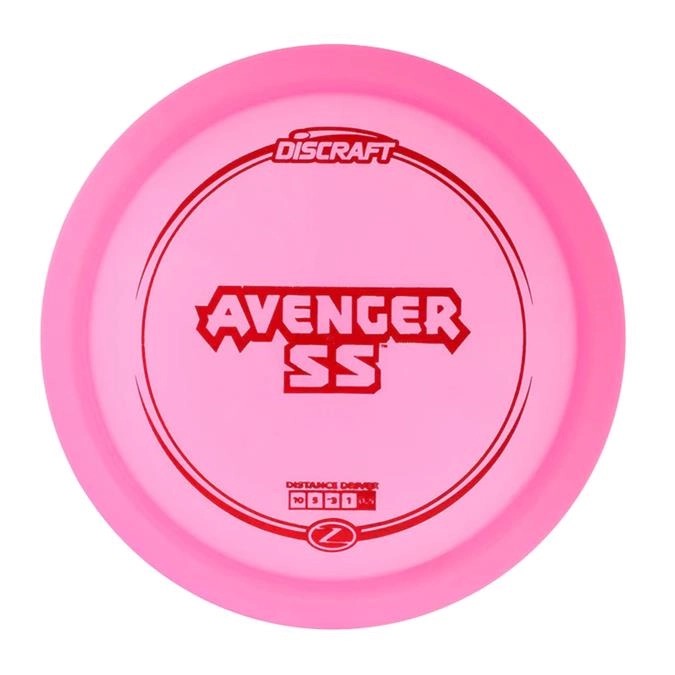
The Discraft Avenger SS is the understable "Super Straight" version of the standard Avenger driver, built to give players with developing arm speed real distance without the fade that stalls out a neutral or overstable disc too early. Its 10/5/-3/1 flight numbers put it at Speed 10, right at the entry point of the distance driver category, with a strong -3 turn that keeps it gliding through the high-speed phase instead of diving to the ground. For players who have outgrown fairway drivers but aren't ready for a neutral Speed 11-12 driver, the Avenger SS bridges that gap.
This review covers who benefits most from the Avenger SS, exactly how its understable flight behaves in the air, how the plastic options compare, and when it makes sense to move on to a more neutral distance driver like the Innova Wraith.
Discraft Avenger SS - Quick Specs
- Flight Numbers 10 / 5 / -3 / 1 (Speed / Glide / Turn / Fade)
- Disc Type Distance Driver
- Stability Understable (significant high-speed turn)
- Weight Range 150g-175g (lighter weights turn more; 164-166g is a common all-around pick)
- Plastics ESP, Big Z, Z Line, Pro-D, Titanium, Z Glo
- Approx. Price $15-22 depending on plastic
- Best For Beginners and intermediates gaining distance; players between fairway drivers and neutral distance drivers
Who Should Throw the Discraft Avenger SS?
The Avenger SS is built for the stage of development where fairway drivers start to feel limiting but neutral or overstable distance drivers still fade out too early. Its Speed 10 rating and -3 turn make it one of the more forgiving distance drivers to add to a bag.
- Beginners: The Avenger SS is a reasonable first distance driver once you can comfortably control fairway drivers like the Teebird. It won't reward very low arm speed the way a Speed 7-9 disc will, but it turns easily enough that it won't punish an incomplete power grip the way a Speed 12+ driver does.
- Intermediate players (280-360 feet): This is where the Avenger SS shines. The -3 turn lets it glide out to the right (for RHBH throwers) and cover real ground before the mild 1 fade brings it home, making it easier to get full distance out of than a neutral Speed 10-11 driver. Check the flight numbers guide if you want a refresher on what each number controls.
- Advanced players: Most advanced throwers find the Avenger SS too understable for max-distance shots at full power - it will turn over and roll rather than holding a flight line. It still earns a bag slot as a tailwind or roller disc, or for forehand shots where extra turn is welcome.
If you're not sure whether an understable disc like this is the right next step, the overstable vs understable guide breaks down exactly what a -3 turn feels like compared to a neutral or overstable driver.
How the Discraft Avenger SS Flies
The 10/5/-3/1 numbers describe a Speed 10 driver with generous glide and a pronounced high-speed turn. Released flat at a moderate arm speed, the Avenger SS launches straight, begins turning right within the first 100-150 feet, and uses its Glide 5 rating to stay aloft through that turning phase rather than dropping. The Fade 1 finish is barely there - the disc lands close to flat instead of snapping back left the way a higher-fade disc would.
Because the turn does most of the work, arm speed matters less here than it does with a neutral Speed 10-11 driver. Players who can't yet generate enough force to keep a Teebird or Wraith flying straight often find the Avenger SS still produces a long, controlled S-curve, since the turn activates at a lower speed threshold.
In headwinds, the Avenger SS behaves like most understable discs: the wind exaggerates the turn, and a strong headwind can flip it over entirely if thrown too flat or too hard. In tailwinds or on downhill shots, the understability becomes an asset, letting the disc carry extra distance on the turn. Thrown on a slight anhyzer, it also works as a beginner-accessible roller disc.
Discraft Avenger SS Plastics Compared
- ESP: The standard, most widely available Avenger SS. Grippy, durable, and holds its understable flight consistently over time. The best starting point for most players. Around $18-20.
- Big Z: More flexible and slightly more understable than ESP, with excellent cold-weather flexibility. A good choice if you want the Avenger SS to turn even more readily.
- Z Line: Stiffer than Big Z, giving a touch more stability without losing the disc's core understable character. Useful in windier conditions.
- Pro-D: Discraft's base-tier plastic. Affordable and a fine way to try the mold, though it beats in (and becomes even more understable) faster than ESP.
- Titanium: Very durable premium plastic with a distinct grip texture. Flies close to ESP but holds up longer before beating in.
Recommendation: start with ESP. It's the easiest to find, holds its flight the longest, and gives you the true Avenger SS numbers without the disc turning over prematurely from early wear.
Pros
- Genuine distance gains for players with developing arm speed
- Speed 10 entry point is more accessible than neutral Speed 11-12 drivers
- Reliable roller and tailwind disc for intermediate and advanced players
- Wide Discraft plastic lineup across every budget
- Mild Fade 1 finish makes landing spots easier to predict
Cons
- Unreliable in headwinds - turns over easily when the wind fights it
- Too understable for most advanced players' full-power distance shots
- Softer plastics (Pro-D) beat in and lose stability faster than ESP
Similar Discs to Consider
If the Avenger SS isn't quite the right fit, here are three natural alternatives:
- Innova Sidewinder - One speed class down (9/5/-3/1) with the same turn and fade profile. A better choice if you want even more accessible distance gains at slightly lower arm speeds.
- Innova Wraith - A neutral Speed 11 driver (11/5/-1/3) for when your arm speed has developed past what the Avenger SS's turn can use. The natural upgrade once you're consistently throwing 320+ feet.
- Discraft Hades - A faster, more dramatic understable option (12/6/-3/2) for advanced players who want the same big-turn shape at higher speed and more glide.
Frequently Asked Questions
Is the Discraft Avenger SS good for beginners?
Yes, with a caveat: it works best for players who have already developed enough arm speed to control a fairway driver. Its 10/5/-3/1 numbers make it more forgiving than a neutral Speed 10-11 driver, since the built-in turn does much of the work of keeping the disc airborne. True first-time throwers are usually better served starting with a fairway driver or midrange first.
What is the best plastic for the Discraft Avenger SS?
ESP is the best all-around choice - durable, grippy, and it holds the disc's understable flight numbers consistently over time. Big Z is a good option if you want slightly more turn and better cold-weather flexibility. Avoid buying only softer Pro-D plastic if you want the disc to keep its intended flight for the long term, since it beats in and becomes even more understable faster than ESP.
How does the Avenger SS compare to the Innova Sidewinder?
They're very similar in shape but one speed class apart. The Sidewinder (9/5/-3/1) activates its turn at a slightly lower arm speed, making it marginally easier for developing throwers. The Avenger SS (10/5/-3/1) needs a bit more speed to reach the same flight but can carry a little further once you have it. Either is a reasonable choice; players who already throw fairway drivers well tend to prefer the Avenger SS.