Discraft Vulture Review: A Control Driver That Flies Like a Beat-In Predator
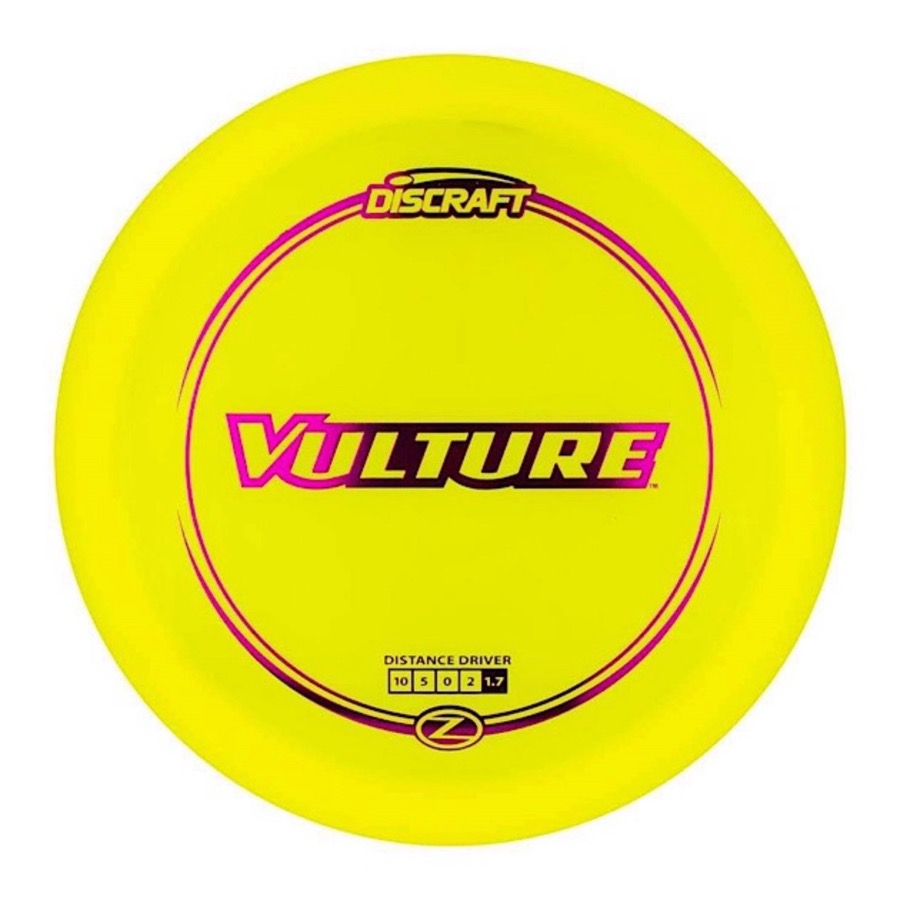
The Discraft Vulture sits right at Speed 10 with a 1.7 stability rating, making it one of the more approachable overstable drivers in Discraft's lineup. Its flight numbers (10/5/0/2) describe a disc with zero high-speed turn and a moderate, dependable fade, the kind of flight most players associate with a well broken-in overstable driver straight out of the package.
This review covers who should throw the Vulture, how its zero-turn flight behaves at different power levels, which plastic to buy first, and how it stacks up against similar control drivers already in our lineup.
Discraft Vulture - Quick Specs
- Flight Numbers 10 / 5 / 0 / 2 (Speed / Glide / Turn / Fade)
- Disc Type Distance Driver
- Stability Overstable; no high-speed turn
- Weight Range 150g-177g (most players throw 170-174g)
- Plastics ESP, Z Line, Elite Z, Titanium, Pro-D
- Approx. Price $14-25 depending on plastic
- Best For Intermediate to advanced players who want a controllable, headwind-friendly driver
Who Should Throw the Discraft Vulture?
At Speed 10 with zero turn, the Vulture needs a moderate amount of power to reach its rated distance, but it's forgiving enough that most intermediate players can work with it right away without the disc flipping over on them.
- Beginners: The Vulture will likely fade early for slower arm speeds instead of finishing its full flight. A fairway driver like the Innova Teebird or a midrange like the Discraft Buzzz is a better starting point before working up to Speed 10.
- Intermediate players (300-375 feet): This is the Vulture's sweet spot. Because Turn is 0, it won't flip over even on an imperfect release, so you get a predictable straight-to-fade shot shape while you're still building consistent power.
- Advanced players (375+ feet): Power throwers will use the Vulture more as a placement driver than a max-distance bomber, valuing its dependable, controllable fade for tighter fairways and headwind holes over sheer distance.
How the Discraft Vulture Flies
With Turn at 0, the Vulture skips the high-speed flip that discs like the Discraft Zeus or Innova Destroyer use to add extra glide distance. Instead it flies flat and true at top speed, holds that line through the middle of the flight, and then the Fade 2 brings it back left (for a right-hand backhand throw) as it slows down. It's a shorter, more predictable S-curve than an understable driver, and one reason players often describe the Vulture as flying like an already broken-in disc right out of the bag.
The Vulture's rim is narrower and more comfortable in hand than Discraft's faster Speed 12+ drivers, which makes it easier to get a clean release and a consistent grip, especially for players still developing their power. That combination of moderate speed and a forgiving rim is a big part of why it's earned a reputation as an underrated mold.
In the wind: because there's no turn to fight against, headwinds simply bring the fade in a little sooner rather than flipping the disc over, which makes the Vulture a dependable choice on exposed or windy holes. In a tailwind, discs with some built-in turn will glide further, but the Vulture's flight stays consistent and easy to predict either way.
For a deeper breakdown of how these numbers interact, see the disc golf flight numbers guide and the overstable vs understable guide.
Discraft Vulture Plastics Compared
- ESP Plastic: The standard Vulture and the one most players should buy first. Grippy, durable, and holds its overstable flight for a long time before beating in. Around $20-25.
- Z Line / Big Z: Discraft's translucent premium blend. Stiffer than ESP with a firmer hand-feel and excellent durability, while flying very close to the mold's stock numbers. A popular choice for players who want the mold's truest flight.
- Elite Z: Similar stiffness to Z Line but at a lower price point, with slightly less consistency between individual discs.
- Titanium: Discraft's premium translucent blend, extremely durable and holds its dome and flight characteristics longer than any other Vulture plastic.
- Pro-D: The budget option. Softer and less durable, and it beats in (turns less overstable) faster than the other plastics, which some players actually prefer for a more understable feel sooner.
Recommendation: start with ESP at 170-174g. It's the most widely available Vulture plastic and gives the truest read on the mold's stock flight before deciding whether you want something stiffer (Z Line, Elite Z) or longer-lasting (Titanium).
Pros
- Zero high-speed turn means it never flips over, even on an imperfect release
- Moderate Speed 10 rating makes it accessible to intermediate players, not just power throwers
- Dependable, controllable Fade 2 finish that's easy to plan approach shots around
- Comfortable, narrower rim compared to Discraft's faster distance drivers
- Available in five plastics, from budget Pro-D to premium Titanium
Cons
- Beginners will typically see it fade early instead of reaching its full rated distance
- No turnover phase means less total glide than understable Speed 10 drivers in a tailwind
- Some listings run lower in stock than more mainstream Discraft molds
Similar Discs to Consider
- Innova Thunderbird - Nearly identical flight numbers (9/5/0/2) from Innova instead of Discraft. If you already know you like the Vulture's zero-turn, moderate-fade profile, the Thunderbird is worth comparing plastics and hand-feel against.
- Discraft Force - A faster Speed 12 sibling with more Fade (3), for players who have maxed out the Vulture's distance and want more power in the same no-turn, headwind-friendly flight class.
- Discraft Zeus - Same Speed 12/Glide 5 territory as the Force but with -1 Turn, trading some of the Vulture's predictability for extra high-speed glide.
Frequently Asked Questions
Is the Discraft Vulture good for beginners?
Not ideal as a first disc. At Speed 10, the Vulture needs a moderate amount of power to fly as intended, and beginners will typically see it fade left earlier than its rated distance. A slower fairway driver or midrange is a better starting point before working up to the Vulture.
What's the difference between the Discraft Vulture and the Discraft Force?
Both fly with zero high-speed turn, but the Force is a faster Speed 12 with more Fade (3), built for power throwers chasing maximum distance. The Vulture's lower Speed 10 rating and Fade 2 make it more accessible for intermediate players who want the same predictable, headwind-friendly flight shape at a more moderate speed.
What plastic should I buy first?
ESP. It's the standard, most widely available Vulture plastic, grippy in most conditions, and durable enough to hold its stock overstable flight for a long time before it starts to beat in. Z Line and Elite Z are good next steps if you want a stiffer feel.